Indoor air quality is significantly reduced by dirty carpets through trapping and subsequently releasing dust, allergens, bacteria, and chemical residues back into home air circulation. Usually, 85-95% of these contaminants are removed by regular professional cleaning; however, pollutants are allowed to build up by most homeowners who wait too long between cleanings, affecting breathing quality.
Fast Facts:
- Up to 4 times their weight in dirt and debris can be held by carpets
- Indoor air pollution can be 2-5 times higher than outdoor levels, partly due to dirty carpets
- 94% of common allergens like dust mites and pet dander are removed by professional carpet cleaning
- Carpet cleaning every 6-8 months is needed by homes with pets to maintain healthy air quality
- Poor indoor air quality affects children most due to their developing respiratory systems
The Hidden Air Quality Problem in Your Living Room
Walk across your carpet right now; watch carefully near a sunny window. Those tiny particles dancing in the light beam aren’t just harmless dust. A mix of allergens, bacteria, and chemical residues that have been trapped in carpet fibers are stirred back into circulation, waiting. From what we’ve seen in homes across Markham and Richmond Hill, most families don’t realize their carpets work against indoor air quality goals.
How Carpets Become Air Quality Villains
As helpful air filters, carpets start by catching particles that would otherwise float around your home. Over time, though, they become storage units for everything you don’t want to breathe. Deep into fibers, pet dander settles. Pollen gets tracked in on shoes and clothing; dead skin cells accumulate faster than you’d expect. Plus, perfect breeding conditions for dust mites and bacteria are created by moisture from spills or humidity.
The Circulation Problem Most People Miss
Here’s where it gets concerning. Tiny air currents that lift particles back into your breathing space are created by every footstep, every vacuum pass, every time you move furniture. This was recently discovered by a family in Vaughan when their child’s asthma symptoms improved dramatically after professional carpet cleaning. For months, accumulated allergens had been released into the air by the carpet without anyone connecting the dots.
What Actually Gets Trapped in Carpet Fibers
An impressive variety of contaminants are collected by carpets, research shows. Dust mites are probably the most common; they feed on dead skin cells and produce waste that triggers allergic reactions. Tightly to carpet fibers, pet allergens bind and can remain active for months. Through open doors and windows, pollen enters, then gets ground into the carpet by foot traffic. Over time, chemical residues from cleaning products, air fresheners, and outdoor pollutants also accumulate.
The Health Impact on Your Family
Everyone is affected differently by poor indoor air quality, but symptoms typically show first in children and elderly family members. Common early signs include increased sneezing, congestion, and respiratory irritation. Without realizing the connection to their home’s air quality, some people develop headaches or fatigue. In many cases, seasonal allergies are assumed to be the blame by families when the real culprit is right under their feet. Funny thing, really.
Professional Cleaning vs. DIY Air Quality Solutions
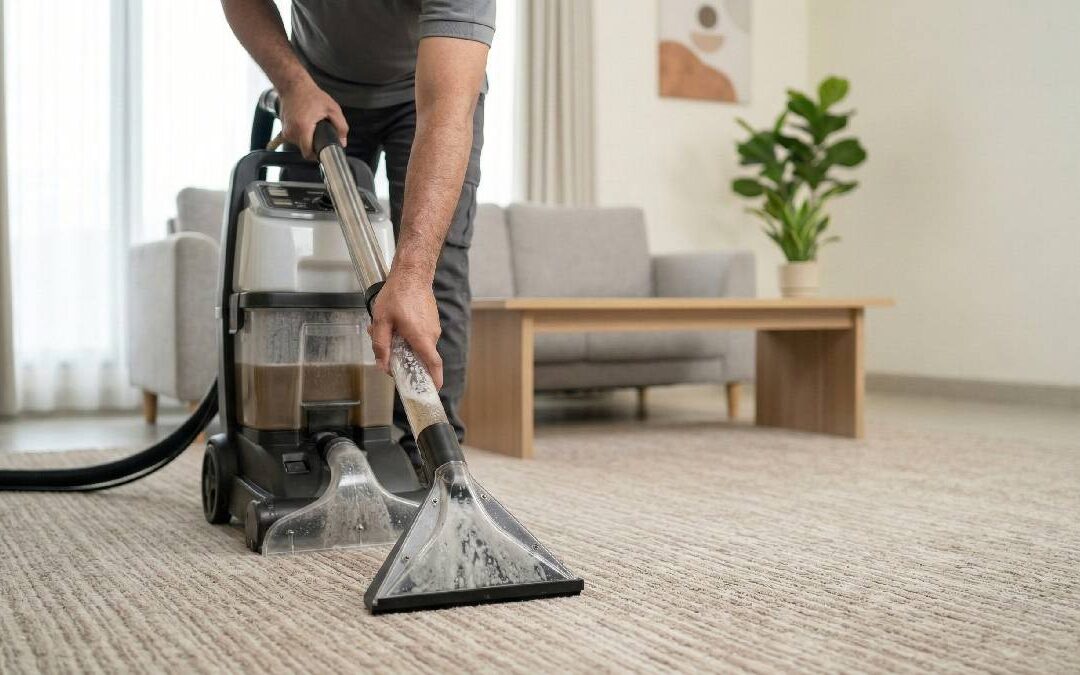
Surface cleanliness is maintained by regular vacuuming, but deep-seated contaminants that affect air quality aren’t addressed. Hot water extraction is used by professional carpet cleaning to remove particles embedded deep in carpet fibers. Typically, 85-95% of allergens and bacteria that contribute to poor indoor air quality are eliminated by this process. Within hours of service completion, the difference is noticeable.
Creating an Action Plan for Healthier Indoor Air
Professional carpet cleaning every 12-18 months should be your starting point, or more frequently if pets or family members with allergies are in your home. Between cleanings, high-traffic areas should be vacuumed twice weekly using a HEPA filter. To prevent mold growth, spills should be addressed immediately. In bedrooms and main living areas, consider adding air purifiers. A foundation for consistently better indoor air quality throughout your home is created by regular maintenance.
Ready to improve your family’s indoor air quality? A measurable difference in the air you breathe every day is made by professional carpet cleaning. Visit Website to schedule your service and start breathing easier in your Markham or Richmond Hill home.
Mini-FAQ:
Q: How often should carpets be professionally cleaned for good air quality? Professional cleaning every 12-18 months benefits most homes, though service every 6-8 months is often needed by homes with pets or family members with allergies. Dirt accumulates faster in high-traffic areas. That still surprises people.
Q: Can vacuuming alone keep carpet-related air quality problems away? Surface-level dirt and debris are removed by regular vacuuming, but it helps only partially. Professional extraction methods are required to fully remove deep-seated allergens, bacteria, and chemical residues from carpet fibers.
Q: What are the main air quality pollutants that carpets trap? Look, dust mites, pet dander, pollen, bacteria, mold spores, and chemical residues from cleaning products or outdoor pollutants tracked in on shoes are collected by carpets. Deep in the fibers, these particles get embedded.
Q: Do newer carpets affect air quality differently than older ones? Volatile organic compounds (VOCs) may be off-gassed by newer carpets for the first few months, while more accumulated allergens and bacteria tend to be harbored by older carpets. Through proper cleaning and ventilation, both situations are managed.